
Every year on the Happier with Gretchen Rubin podcast, my sister Elizabeth and I invite our listeners to join us in an annual challenge.
For a bit of whimsy, we use the calendar year to frame the habit. In 2020, we did “Walk 20 in ’20.” In 2023, it was “Go Outside 23 in ’23.” Last year, we tackled “Read 25 in ’25.”
This year, we’re getting moving with Move 26 in ’26: Move for 26 minutes every day in 2026.
Why movement?
Of all the habits that support happiness and health, movement is one of the most powerful. Research consistently links regular physical activity to better sleep, clearer thinking, reduced anxiety, and—perhaps surprisingly—more energy. (Movement doesn’t deplete energy, it boosts it.) People who move regularly get sick less often, too. Movement is the kind of habit that makes everything else easier.
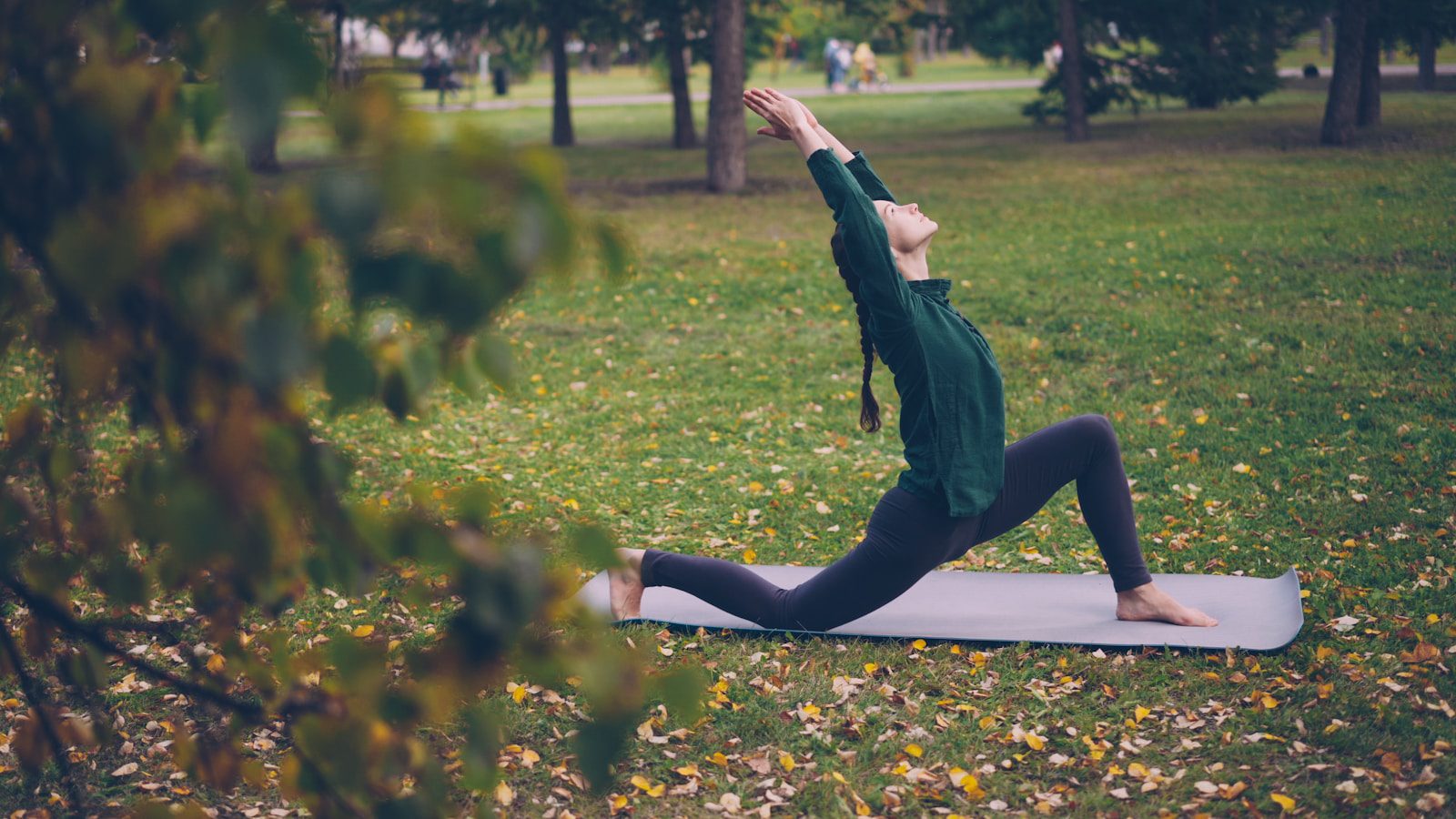
These benefits come from any kind of movement, not just traditional forms of exercise like jogging or cardio. Walking, stretching, dancing, gardening, yoga, swimming, biking, playing with your kids, running after your dog—if you’re moving your body, it counts.
Design your approach
Many people find it tough to make habits related to physical activity stick. In my observation, the problem isn’t a lack of willpower—it’s that they’re using an approach that isn’t well suited to who they are.
Just as no tool fits every hand, there’s no magic, one-size-fits all approach to building a movement habit. Each of us can make our own plan, customized to our own unique personality, interests, and style. Here are a few strategies to consider.
Use “pairing”
Pair movement with an activity you enjoy, like listening to a favorite podcast or playlist. You could walk and chat with a neighbor, do planks during the ad breaks of your favorite show, or do squats while you’re waiting for your coffee to brew.
Or pair movement with an activity you must do. You could park your car some distance from your destination, or get off at an earlier subway stop so you have to walk farther to get where you’re going.
Make it convenient
The strategy of convenience is a powerful way to make habits feel easy and natural. Eliminate as many obstacles and decisions as possible between you and what you want to do. For example, you might:
- Lay out your workout clothes the night before (or even sleep in them)
- Keep walking shoes by the door
- Make a list of movement-based activities you can do at home for days when you can’t get outside
- Block out time for movement on your calendar like any other appointment
Start small
If 26 minutes of movement feels intimidating, remember that you don’t have to do it all at once. Break up your 26 minutes throughout the day: a ten-minute walk at lunchtime and another 16-minute walk after work still add up.
Start big
Some people like to start small, but others aren’t interested in incremental change—they want to “go big or go home.” If training for a marathon, doing a pickleball boot camp, or signing up for an intensive beginners’ yoga weekend appeals to you, that might be the way to get yourself started on 26 minutes of daily movement.
Track your progress
Tracking brings clarity and accountability to our efforts. It also helps build momentum by creating a visible record of success. You might:
- Mark off each day with Don’t Break the Chain (many people love to keep a streak going)
- Record your movement in the Happier™ app using the Numbers Tracker or Photo Log
- Note how you feel after moving in the One-Sentence Journal—you might notice patterns that motivate you to keep going
Join the Challenge
The goal is consistency, not intensity. If you miss a day, don’t let it derail your progress—just get back to it the next day.
Over the course of the year, 26 minutes of movement every day adds up to 9,490 minutes of movement—that’s more than 158 hours. What could that do for your mood, your health, your energy?
Sign up for the Move 26 in ’26 challenge and join us in making 2026 a year of more movement, more energy, and more happiness.
Now is always the best time to begin.